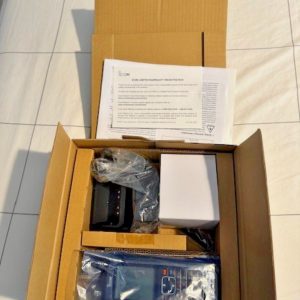
:::writingvariant="document" id="58314" ICOM IC-A25N Handheld NAV/COM Transceiver w/ Bluetooth – Open Box: Versatile Cockpit and Ground Communication The ICOM IC-A25N Handheld NAV/COM Transceiver w/ Bluetooth – Open Box provides pilots and aviation professionals with a convenient combination of communication, navigation support, portable operation, and wireless connectivity. An open-box ICOM transceiver can be attractive to buyers who want dependable features while reducing the check here cost of purchasing professional aviation equipment. The ICOM IC-A25N Handheld NAV is suitable for users who want portable access to communication and navigation-related functions during flight preparation, cockpit operations, instruction, emergency planning, or airport ground activities. The ICOM IC-A25N Aviation Radio offers portable flexibility for aircraft owners who do not want to rely exclusively on panel-mounted communication equipment. A portable ICOM IC-A25N Handheld Radio supports flexible aviation operations because it can remain with the pilot rather than being permanently installed in one aircraft. As a Handheld NAV/COM Aviation Transceiver, the unit combines portable communication with navigation-related functions in one organized device. Whether pilots need a Handheld Aviation Radio, Aviation NAV/COM Radio, Pilot Handheld Radio, or portable Aircraft Communication Radio, the complete package should be inspected and tested. As an Aviation Communication Device, the radio can provide portable support for cockpit, training, emergency, and ground environments.
Exploring the ICOM IC-A25N NAV/COM Platform
This handheld transceiver offers pilots a convenient way to carry aviation communication equipment independently of the aircraft’s installed radio system. The device may help pilots reduce equipment clutter by integrating several useful capabilities into one flight-bag-friendly radio. Real-world results depend on setup, antenna use, radio configuration, location, surrounding structures, and the condition of the complete package. Operators should include the radio in normal equipment checks so batteries, accessories, and settings remain ready for use.Benefits of the ICOM IC-A25N Handheld NAV
The portable design allows pilots to become familiar with radio functions outside the aircraft before using the device in a busy operational environment. Aircraft owners may keep the radio available when maintenance temporarily removes power from installed communication equipment. Pilots should verify information using suitable aviation references and avoid relying on one portable device for every navigation decision. Responsible operation includes checking settings, frequency steps, stored information, battery capacity, antenna security, and any paired accessories before departure.Using the ICOM IC-A25N Aviation Radio
The radio may be useful to pilots operating aircraft with limited avionics, temporary communication problems, or different cockpit configurations. Maintenance providers may monitor aviation activity while working outside the aircraft or coordinating ground movements. The seller should identify any missing accessories, cosmetic marks, opened packaging, previous testing, warranty status, or differences from a factory-sealed package. The best purchase decision combines condition evidence, package completeness, seller credibility, secure payment, and documented delivery terms.Portable Benefits of the ICOM IC-A25N Handheld Radio
The handheld format allows the radio to move with the pilot between personal, rental, training, business, and club aircraft. A secure carrying arrangement can keep the radio accessible without allowing it to move around the cockpit during turbulence or abrupt maneuvering. Preflight preparation may include charging, accessory inspection, Bluetooth pairing, memory review, antenna attachment, and volume adjustment. Careful handling allows a portable aviation radio to remain a dependable part of the pilot’s equipment inventory.Handheld NAV/COM Aviation Transceiver Applications
The device may be especially valuable to pilots who operate older aircraft, rented aircraft, or airplanes with limited redundancy. The most suitable handheld radio is not necessarily the one with the longest feature list, but the one the pilot can operate confidently and maintain properly. A brief function check can identify weak battery performance, loose accessories, damaged connectors, or configuration problems before departure. After use, the device should be cleaned gently, charged as appropriate, disconnected from unnecessary accessories, and returned to protected storage.Maintaining a Handheld Aviation Radio
A handheld aviation device can support monitoring and communication activities from the cockpit, ramp, hangar, or operations office. A handheld unit is most valuable when charged, accessible, tested, and familiar to the pilot before it is required. A handheld radio should be evaluated in the aircraft and environment where it will normally be used. The device should not be used for casual or unnecessary transmissions that could interfere with operational communications.Using an Aviation NAV/COM Radio
The combined platform can be useful during training because students can explore aviation radio functions with one portable device. Pilots should avoid changing complex settings when attention is required for aircraft control, traffic awareness, navigation, or communication duties. The radio’s navigation-related functions should be used within the limits described by the manufacturer and the requirements of the intended operation. Before departure, pilots should confirm that the radio is charged, correctly configured, securely stored, and easy to reach.Pilot Handheld Radio Applications
A Pilot Handheld Radio offers flexibility to aviation professionals whose work involves several aircraft, airports, and operational environments. The device should remain accessible to the pilot without becoming a loose object or interfering with cockpit controls. Emergency equipment is more useful when essential controls can be operated confidently without lengthy manual review. A battery that appears charged after long storage may not provide the operating duration expected under real conditions.Choosing an Aircraft Communication Radio
An aircraft communication device can support maintenance coordination, ground handling, training activities, and operational monitoring where appropriate. Pilots should listen before transmitting, speak clearly, keep messages relevant, and verify that the correct frequency is selected. Moving the radio or antenna within the cockpit may influence reception, but it must remain secure and clear of controls. Users should stop relying on the unit if it displays intermittent function or unexplained shutdowns until the concern is resolved.Portable Aviation Transceiver Advantages
The ability to carry the radio personally helps operators maintain access to familiar controls and stored settings. Charging equipment should be identified clearly and kept with the correct radio and battery system. Wireless connectivity may help pilots integrate the radio into a preferred communication setup when paired equipment is supported and configured correctly. Careful setup allows portable wireless communication features to improve convenience without creating unnecessary cockpit distraction.Aviation Communication Device Applications
Pilots should select communication equipment according to mission requirements, aircraft type, operating area, training needs, and backup planning. Buyers should avoid assuming that open-box always means unused or that every accessory remains included. Professional users may maintain records of radio assignment, charging, inspections, damage, accessory inventory, and battery replacement. Training should cover normal communication, navigation-related functions, emergency use, battery care, Bluetooth setup, and storage.Handheld Aircraft Radio Benefits
The device may also support pilots at airports where communication must begin before the aircraft electrical system is activated. The radio provides practical value wherever access to aviation communication is useful away from a powered instrument panel. A planned storage position supports fast retrieval while protecting the radio and aircraft interior. Charging ports and connectors should remain dry and free from debris before accessories are attached.Aviation Navigation Radio Applications
Navigation functions can add value during training, planning, route familiarization, and backup preparation when used appropriately. A demonstration or careful manual review can help users understand displays, menus, stored information, and navigation-related controls. A handheld radio should not be treated as a substitute for equipment or procedures required by regulation, aircraft approval, or operating conditions. Users should remove outdated memories or clearly organize frequencies to reduce confusion during operation.ICOM Pilot Radio Benefits
The IC-A25N provides a combination of communication, navigation support, Bluetooth connectivity, and portable power suitable for varied aviation roles. Brand reputation should be considered alongside the condition and completeness of the specific unit being purchased. Aviation students may prioritize ease of learning, while experienced pilots may focus on backup capability, portability, and integration. Periodic practice ensures that the user remains confident with essential functions as time passes.Using an Emergency Aviation Radio
An Emergency Aviation Radio can provide an additional communication option when installed aircraft equipment becomes unavailable because of electrical, equipment, or operational problems. The radio should be positioned where it can be reached without searching through baggage during an urgent situation. Redundancy is strongest when the user has more than one practical method of hearing and transmitting with the device. The radio should be tested periodically without making unauthorized transmissions or interfering with operational frequencies.Backup Aircraft Radio Applications
A Backup Aircraft Radio provides communication redundancy for pilots who want an alternative to the primary panel-mounted transceiver. Pilots should confirm charge status, antenna attachment, audio output, Bluetooth pairing, memory organization, and accessibility. A simple and familiar arrangement is generally more useful during an abnormal situation than a complicated setup that has not been practiced. The handheld radio should support safe aircraft management rather than draw attention away from immediate flight responsibilities.Inspecting an Open-Box ICOM IC-A25N
An open-box ICOM IC-A25N should be inspected for cosmetic condition, display quality, button response, antenna security, battery fit, connector condition, and evidence of previous use. Buyers should ask whether the radio was displayed, returned, tested, paired, charged, transmitted with, or previously registered. Functional testing should include power-on behavior, charging, control response, display operation, speaker audio, microphone function where appropriately tested, and accessory recognition. Shipment photographs can document package contents and physical condition before dispatch.Maintaining a Portable NAV/COM Transceiver
A handheld aviation radio can provide many years of useful service when it is protected from impact, moisture, heat, contamination, and careless storage. Reliable readiness comes from planned inspection, charging, practice, and responsible storage.- Check for cracks, loose parts, damaged buttons, display concerns, weak battery performance, antenna damage, charging problems, and missing accessories.
- Review essential controls on the ground so the radio can be operated confidently without unnecessary cockpit distraction.
- Store the radio, battery, charger, antenna, adapters, and documentation in a dry, organized, protected location after use.